
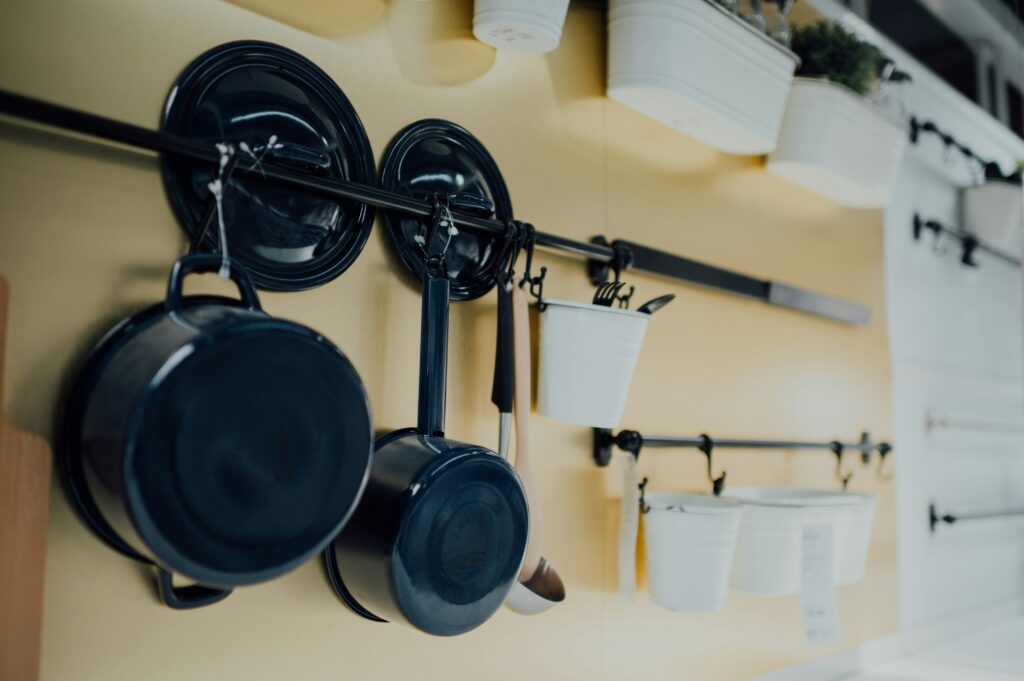
Want to reduce exposure to PFAS in your kitchen? Try these 7 easy swaps—from cookware to storage—to create a safer, PFAS-free home.
Why PFAS in the kitchen is a concern
PFAS (per- and polyfluoroalkyl substances) are used in nonstick coatings, grease-resistant papers, and coatings on kitchenware. They are persistent in the environment and tend to accumulate in human bodies. Studies link PFAS to hormonal disruption, liver disease, and cancer risks.
To reduce exposure, switching to PFAS-free alternatives in your kitchen is one of the most effective routes. Below are 7 practical swaps.
1. Replace PTFE nonstick pans with ceramic, cast iron, or stainless steel
- Use skillets made of ceramic nonstick coatings (which are PFAS-free) rather than PTFE/Teflon versions. Bon Appétit+2Organic Authority+2
- Cast iron and carbon steel pans naturally develop a nonstick patina when seasoned. relentlesshealth.com+2cookinglife.eu+2
- High-quality stainless steel with multi-ply construction can substitute for nonstick in many use cases. Consumer Reports+1
Tip: Use moderate heat with ceramic pans (avoid overheating) and use oil for stainless steel as needed.
2. Use glass or stainless storage instead of plastic with greased coatings
Many plastic containers, especially in food service packaging, use grease-resistant PFAS coatings. PFAS-Free Brands & Products
Swap to:
- Glass jars with BPA-free lids
- Stainless steel food containers
- Silicone lids or covers (pure food-grade silicone)
These options don’t rely on PFAS coatings and are safer for food storage.
3. Choose PFAS-free bakeware and parchment alternatives
- Many parchment papers are treated with PFAS to make them grease- and water-resistant. Use uncoated parchmentor silicone baking mats instead. PFAS-Free Brands & Products
- Opt for bakeware made from ceramic, glass, or enamel instead of coated metal. Allrecipes+1
4. Switch to natural fiber kitchen linens and wraps
Items like aprons, tablecloths, dish towels, reusable food wraps may use stain- or water-resistant PFAS coatings. PFAS-Free Brands & Products
Use:
- Untreated cotton or linen fabrics
- Beeswax wraps (avoid variants with synthetic coatings)
- Uncoated cotton mesh or food grade cloths
5. Use wood, bamboo, or stainless utensils instead of coated plastics
Plastic spatulas, spoons, or utensils with nonstick or slick coatings may contain PFAS.
Swap to:
- Solid wood or bamboo utensils
- Stainless steel tools
- Silicone utensils (pure food-grade silicone without PFAS)
6. Replace grease-resistant disposable items with safer options
Many disposable plates, bowls, muffin liners, and takeout boxes are treated with PFAS to resist oil. PFAS-Free Brands & Products
Better options:
- Compostable, PFAS-free disposable dinnerware
- Reusable ceramic or stainless serving pieces
- Uncoated baking liners
7. Choose cleaning products, coatings, and appliances that are PFAS-free
- Look for cookware brands explicitly marketing “PFAS-free, PFOA-free, PTFE-free” claims. Thermolon™ ceramic coatings are examples marketed as PFAS-free. EWG+2everythingkitchens.com+2
- Verify independent third-party certification if possible (e.g., by Fidra, EWG, or other labs).
- Avoid nonstick coatings in small appliances (waffle irons, sandwich presses) unless they clearly exclude PFAS.
Tips for executing these swaps without waste
- Replace items gradually as they wear out
- Sell, donate, or recycle your old PTFE-coated items
- Maintain new cookware properly (avoid overheating, use appropriate utensils) to prolong life
- Read labels and technical datasheets for claims; “PFOA-free” isn’t sufficient (many alternatives still use other PFAS) Organic Authority+1
Conclusion
Switching even a few key items can reduce PFAS exposure significantly. Prioritize cookware, storage, disposable items, and utensils. Over time, you’ll build a kitchen that’s safer, healthier, and more sustainable — without giving up functionality.

[…] reduce PFAS exposure beyond drinking water, you can also make simple PFAS-free swaps in your kitchen and home […]